Imagine the thrill of leaving Earth behind and embarking on a voyage into the vast unknown. This article is your launchpad to a stellar future. Embarking on a space career is more than just a dream; it’s a commitment to mastering a blend of skills that defy gravity. Whether you’re inspired by the adventures of NASA’s astronauts or the promise of a new frontier in private space travel, understanding your astronaut skills and the strategic steps needed is crucial. Let’s uncover the tools and techniques that will propel you toward the cosmos.
The Dream of Becoming an Astronaut:
The allure of the unknown has inspired generations worldwide. In today’s era of expanding space exploration, a career as an astronaut offers endless possibilities. Yet, behind this seemingly glamorous role lies rigorous training, continual learning, and a dedication to excellence. Adopting the mindset of a true space explorer means being prepared to step beyond your comfort zone and embrace challenges head-on, a mindset that prepares you for both the triumphs and trials of space travel.
Core Skills Every Aspiring Astronaut Needs:
Achieving a successful career in space begins with building a robust set of astronaut skills. These skills are not just technical, they blend mental fortitude with physical agility and exceptional teamwork. Here are the core components:
- Physical Prowess and Agility: Astronauts must be in peak physical condition. This includes having excellent coordination, strength, and balance required for tasks in zero gravity and confined spaces. The physical demands are akin to performing complex maneuvers in unfamiliar environments, much like mastering an intense athletic routine.
- S.T.E.M. Expertise: A strong background in science, technology, engineering, or mathematics (S.T.E.M.) is fundamental. From designing spacecraft systems to troubleshooting in-flight challenges, your technical knowledge is your lifeline in the unforgiving environment of space. A master’s degree in a S.T.E.M. field is often a minimum requirement for candidates—a standard established by NASA and embraced industry-wide. 4
- Mental Resilience and Adaptability: Space is unpredictable. The ability to work under intense pressure, stay calm in emergencies, and quickly adapt to changing conditions is critical. Astronauts must be observant and analytical, skills that allow them to record vital scientific data and respond to unexpected anomalies swiftly.
- Communication and Teamwork: Operating in the isolated environment of a spacecraft means that clear, assertive communication is essential. Whether during a spacewalk or while working in the cramped quarters of the International Space Station, teamwork can be the key to survival. Effective communication ensures that complex tasks are executed with precision.
- Technical Dexterity: Beyond theoretical knowledge, practical skills such as the operation of advanced equipment, conducting experiments, and even piloting spacecraft are invaluable. Each task assists in forging a reliable relationship between man and machine—a relationship that can ensure success during missions.
Master these areas, and you’ll have built a stellar foundation for your space career.
A Step-by-Step Guide to Your Space Career:
Charting your course from Earthbound dreams to a career in space requires a clear roadmap. Here’s a practical guide outlining the steps every future astronaut should consider:
- Educational Launchpad: Begin with a strong academic record in a S.T.E.M. discipline. Many organizations, including NASA, require at least a master’s degree, while some roles might even demand a Ph.D. This phase is your launchpad—ensuring that you’re equipped with the theoretical underpinnings of space science and engineering.
- Hands-On Experience: Accumulate relevant work experience and essential flight hours if you’re aiming for roles involving spacecraft operation. Whether through military service, scientific research, or specialized technical roles, practical experience is highly valued. Logging 1,000 hours of flight time, especially on jet aircraft, is a significant milestone cited by space agencies.
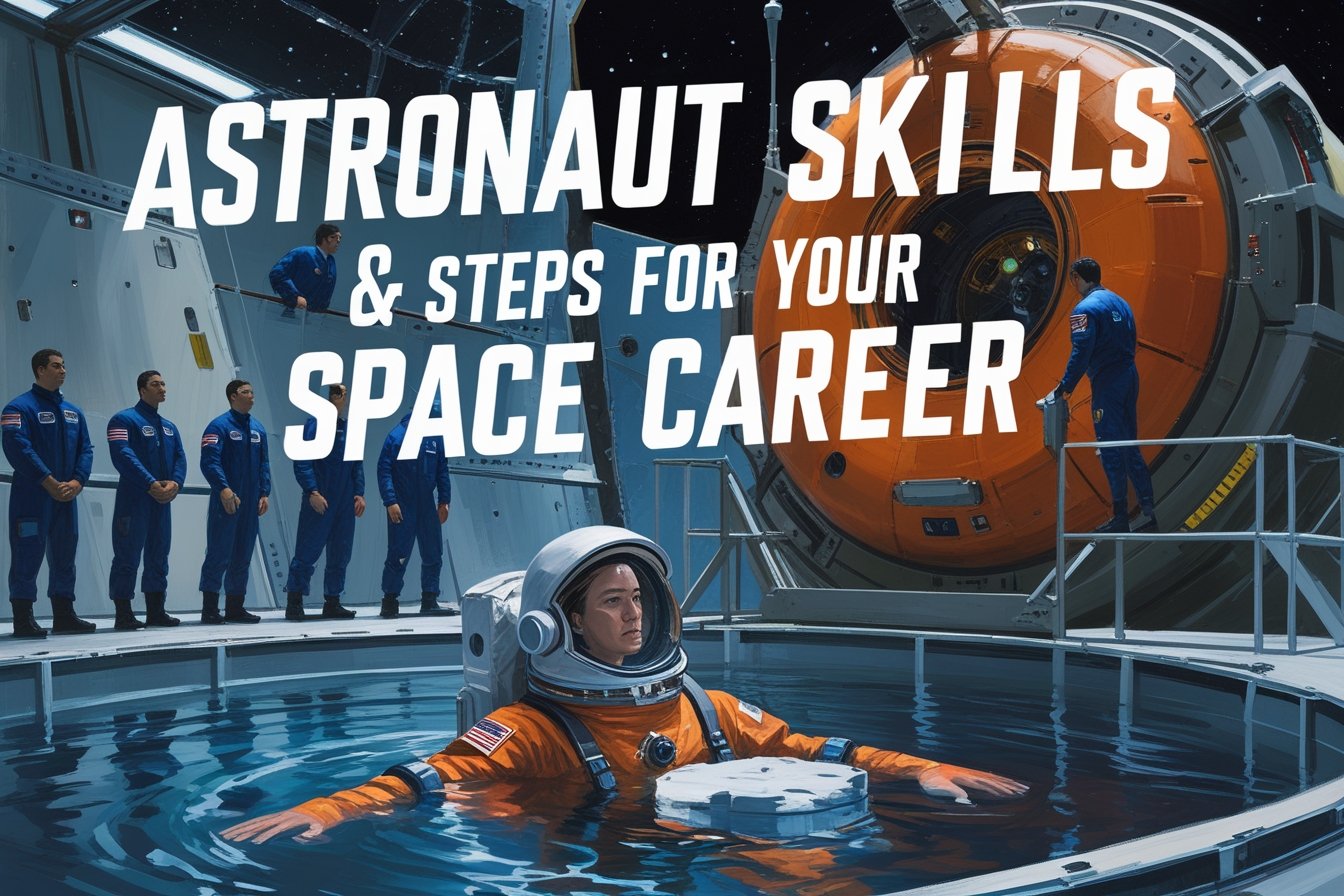
- Rigorous Physical and Mental Training: Join programs that stress high-intensity physical fitness and mental endurance. Training regimens include simulated space missions, survival drills, and continuous evaluations of your capability to manage extreme environments. This stage develops the mental and physical resilience needed to survive space’s rigors.
- Astronaut Candidate Programs: Apply to astronaut candidate programs offered by organizations like NASA. Understand that these programs are highly competitive; only a select number of candidates from thousands worldwide are chosen. Prepare thoroughly for interviews, physical tests, and rigorous assessments.
- Specialize and Excel: While initial training is comprehensive, specializing in fields such as robotics, medical science, or piloting can make you stand out. Employers look for candidates who bring distinctive skills and varied expertise to the team. Specialization also means staying up-to-date with the latest developments in space technology—a critical part of advancing your space career.
- Continuous Professional Development: Even after you’re selected, your journey is only beginning. Continuous learning through courses, workshops, and advanced training sessions ensures that your skills remain as advanced as the technologies you work with. Always be ready for the next phase of learning—space is dynamic, and so must be your competence.
Following these steps, you’ll be well-prepared to launch a career that takes you from the classroom to the cosmos.
Overcoming Challenges and Boosting Your Credentials:
The pathway to a space career is not without its hurdles. Many challenges arise along the way, each requiring strategic planning and unwavering determination:
- Tight Competition: Every year, thousands of candidates vie for a few coveted spots in astronaut programs. Standing out requires an exceptional blend of academic success, technical proficiency, and leadership skills.
- Financial and Time Investments: The educational and training demands often require substantial investments in both time and money. Securing scholarships, grants, or military sponsorships can ease these burdens and open up opportunities to gain the necessary qualifications.
- Continuous Technological Advancements: The rapid evolution of space technology means that the skills needed today might evolve quickly. Committing to lifelong learning is essential, ensuring you remain at the forefront of innovation and safe practices.
- Resilience in the Face of Setbacks: Rejection and setbacks are common in the space industry, given the high standards and rigorous selection processes. Develop a growth mindset. Use each setback as a learning opportunity to refine your skills and strategies.
By understanding and preparing for these challenges, you can build a robust application that not only meets but exceeds the expectations of space agencies.
Exploring Opportunities Outside Traditional Astronaut Roles:
While the classic image of an astronaut involves spacewalks and interstellar missions, the modern space industry offers diverse career paths that extend beyond traditional roles. Here are a few exciting alternatives:
- Space Engineering and Research: Design and innovate the next generation of spacecraft, satellites, or deep-space exploration equipment. Your hands-on skills in engineering can help shape how we explore and utilize space.
- Mission Control and Ground Support: Behind every successful mission is a team of professionals managing operations on Earth. Careers in mission control, logistics, and systems analysis are vital to the overall success of space missions.
- Scientific Research and Data Analysis: Many space agencies and private companies require experts to analyze data from space missions. Working at research institutions or consulting for space-related projects can be as rewarding as being in space.
- Education and Public Outreach: Inspire the next generation of explorers by sharing your passion for space. Roles in education, communication, and public policy play crucial parts in advancing the space industry and keeping the public engaged.
Exploring these avenues broadens your career prospects and opens the door to an array of opportunities beyond the confines of a traditional astronaut path.
Continuing Education and Skill Refinement for a Lifelong Career:
Entering the space industry is not the final destination—it’s the beginning of a lifelong journey of continuous growth. Here’s how to keep evolving throughout your career:
- Engage in Advanced Training: Participate in refresher courses, workshops, and international seminars. This not only enhances your current skills but also acquaints you with emerging trends and technologies in space exploration. Exposure to new ideas and practices will help you maintain a competitive edge.
- Network with Experts: Join professional associations, attend conferences, and connect with industry pioneers. Networking can open up collaborative opportunities and provide insights into the latest innovations in space research and operations.
- Pursue Specialized Certifications: Whether it’s advanced piloting techniques, robotics, or scientific analysis, additional certifications can significantly bolster your credentials. These certifications highlight your commitment to excellence and willingness to embrace evolving technologies.
- Stay Informed: The space industry is in constant flux. Following industry updates, reading space-related publications, and participating in forums will ensure that you remain informed about cutting-edge developments that could affect your space career.
Through ongoing education and a proactive approach to career development, you secure your place among the industry’s elite, ready to meet the challenges of tomorrow.
Conclusion:
Building a space career is an exciting and demanding journey that requires mastering a diverse range of astronaut skills and following a clear, strategic path. From excelling in physical and mental training to continuously upgrading your expertise, every step you take brings you closer to exploring uncharted frontiers. Embrace the challenges, seize the opportunities, and let your dreams of space guide you to new horizons.
FAQs:
1. What are essential astronaut skills?
They include peak physical fitness, strong S.T.E.M. expertise, mental resilience, and effective teamwork.
2. What educational background is required?
A solid S.T.E.M. degree, with many programs requiring a master’s degree, is often essential.
3. How crucial is flight experience?
Logging flight hours, especially on jet aircraft, is highly valued and sometimes required.
4. What are the main stages of becoming an astronaut?
Steps include educational excellence, hands-on experience, physical training, and applying to candidate programs.
5. Are there alternatives to being a traditional astronaut?
Yes, numerous roles exist in space engineering, mission control, research, and public outreach.
6. How can I stay updated with space industry advancements?
Engage in continuing education, network with experts, and follow industry news to remain current.