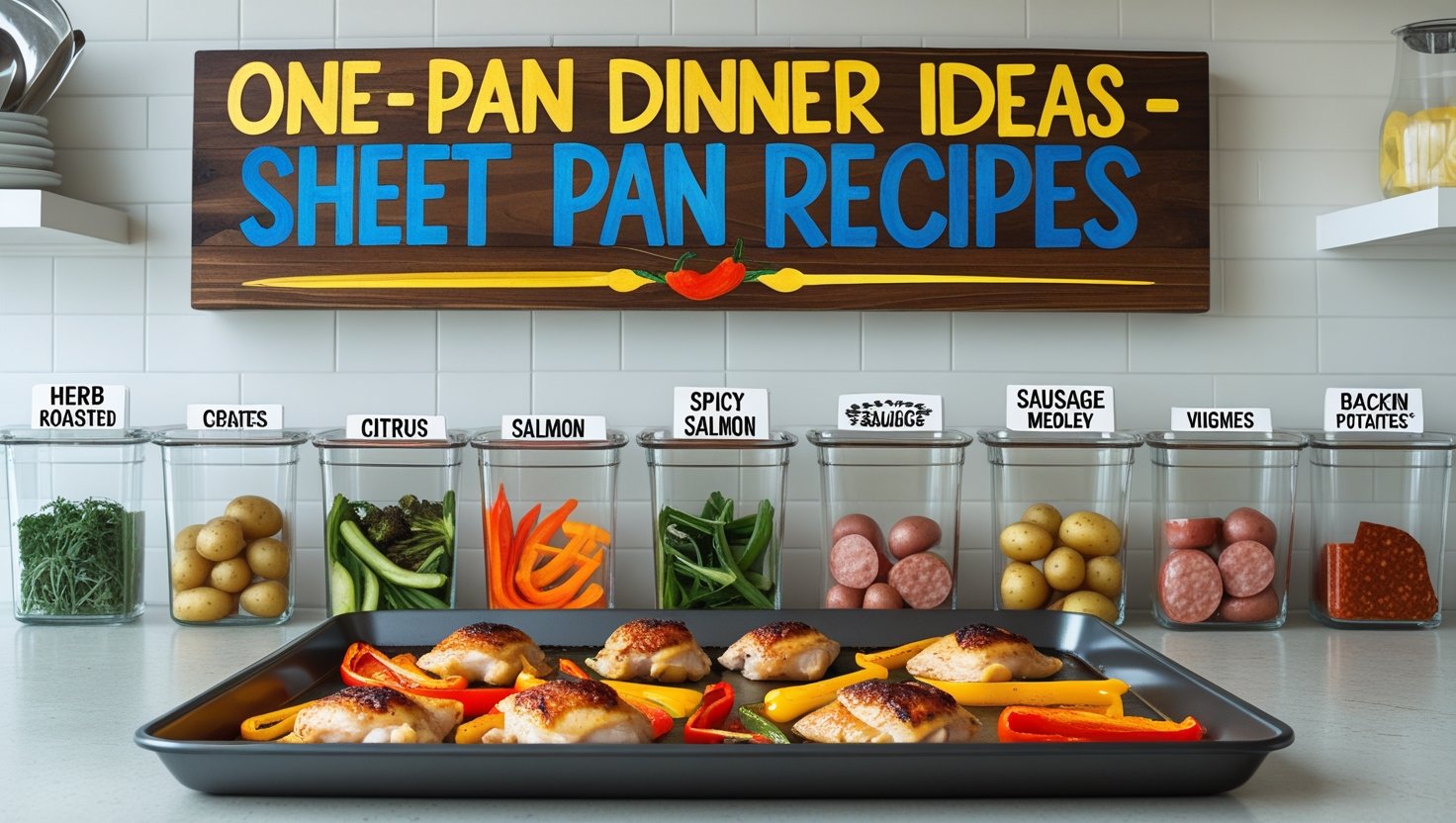
Imagine a dinner so satisfying that you spend less time cleaning and more time enjoying. One-Pan Dinner ideas and Sheet Pan Recipes are your ticket to effortless, flavor-packed meals with minimal mess.
The One-Pan Revolution:
Our hectic lives call for smarter cooking, and the One-Pan Dinner trend answers the need for simplicity without sacrificing taste. By consolidating an entire meal, proteins, vegetables, and even a carb or two, onto a single sheet pan, you streamline both preparation and cleanup. This approach reduces multitasking and lets you focus on the food, transforming everyday ingredients into a culinary masterpiece.
Gone are the days of multiple pots and pans cluttering your counter. With Sheet Pan Recipes, each ingredient harmonizes in the oven, developing flavors and textures that complement one another perfectly. Think roasted chicken thighs, caramelized vegetables, and crispy potatoes, all cooked together to create a balanced and vibrant meal. The more you experiment, the more you’ll uncover that a one-pan dinner isn’t just easy, it’s a full-blown culinary revolution.
Essential Tools and Fresh Ingredients for One-Pan Perfection:
The secret to success with One-Pan Dinners is having the right tools at your disposal. A sturdy, non-stick sheet pan or a high-quality baking tray becomes your trusted ally. Using parchment paper or a silicone baking mat can further simplify cleanup and ensure even cooking by preventing ingredients from sticking.
Next, consider your ingredients. Fresh vegetables, quality proteins, and a medley of herbs and spices are the backbone of a delicious sheet pan meal. Seasonal produce not only boosts flavor but also brings vibrant color to your dish. Whether you’re preparing an Italian-inspired chicken with rosemary and lemon or a southwestern mix of peppers and sausage, balance is key. Look for ingredients that roast well together. Choose vegetables that cook at similar rates, like carrots, broccoli, Brussels sprouts, and potatoes are excellent candidates, and choose proteins that remain tender when baked.
Invest time in assembling a well-stocked spice rack as well. Cumin, smoked paprika, garlic powder, and fresh basil can dramatically transform a simple mix of ingredients into an extraordinary meal. The right combination of spices not only enhances the natural flavors of your food but also creates layers of complexity that elevate your Sheet Pan Recipes to gourmet levels.
Mastering the Art of Sheet Pan Recipes:
Cooking on a sheet pan isn’t just about tossing everything together, it’s an art form that involves balance, timing, and precision. One effective technique is to arrange ingredients in groups based on their cooking times. For instance, dense or starchy vegetables that require a longer roasting period, such as potatoes and carrots, should be given a head start, while more delicate greens or quicker-cooking proteins are added later in the process.
Temperature control is also paramount. Most One-Pan Dinner recipes thrive in a high-heat environment, typically between 400°F and 450°F. This allows for the browning and caramelization that deliver a robust flavor and satisfying texture. Using a convection oven can further improve the outcome, as circulating hot air ensures even cooking and a beautifully crisp finish.
Another elegant trick is to experiment with marinades and dressings before the cooking process. Marinating your protein for a few hours, or even overnight, allows the flavors to seep deeply into the meat, creating a juicy and aromatic centerpiece. Likewise, a drizzle of olive oil and a sprinkling of sea salt over the vegetables helps them achieve that perfect roast while locking in moisture and nutrients.
Despite the simplicity of the concept, there’s great room for creativity. You might try layering ingredients, starting with a base of root vegetables, adding a protein in the middle, and finishing with a top layer of lightly dressed greens. This technique not only ensures that every element is properly cooked but also that the flavors mingle as they bake together, transforming a basic dinner into an adventure of taste.
Creative Flavor Combos:
The beauty of Sheet Pan Recipes lies in their versatility. With one-pan dinners, you can experiment with a myriad of flavor combinations that go beyond traditional pairings. Think about blending sweet and savory, drizzle a bit of maple syrup over roasted Brussels sprouts, or toss pork tenderloin with an apple cider reduction to create a harmonious balance of tart and sweet.
International cuisines also inspire creative pairings. A Mediterranean sheet pan dinner might incorporate lemon-infused chicken, kalamata olives, and a burst of cherry tomatoes sprinkled with feta, while an Asian-inspired variation could include soy-glazed salmon, snap peas, and a sprinkle of toasted sesame seeds. The key is to use bold seasonings that complement the natural tastes of the ingredients. Experiment with spice blends such as Cajun, Moroccan, or even Indian tandoori to take your one-pan creation into new and exciting territories.
For those who prefer vegetarian options, explore combinations of seasonal vegetables with hearty legumes like chickpeas or lentils. Toss them in a blend of cumin, coriander, and paprika for an earthy, satisfying dish that lends itself perfectly to a one-pan presentation. Always remember, the goal is to create a synergistic flavor profile where each component adds its unique character without overpowering the others.
Timing and Temperature:
Achieving that flawless roast on a sheet pan is all about managing time and temperature. Knowing how long to cook each ingredient is crucial for a uniformly perfect meal. Dense vegetables may need a longer roasting time, while proteins, especially if they are lean cuts, mustn’t be overcooked lest they become dry and tough.
Utilize a timer and consider your ingredient sizes. Smaller pieces roast faster and may even benefit from higher heat to develop a crispy exterior quickly, whereas larger chunks can be left to slowly roast, ensuring their interiors remain tender and juicy. A reliable instant-read thermometer is invaluable here; for example, chicken should ideally reach an internal temperature of 165°F, while pork and beef have their own precise markers.
Some home cooks use the “staggered approach,” where adding or removing items from the pan at set intervals can prevent over or undercooking. This method demands attentiveness, but the payoff is a beautifully balanced dish where every bite offers the expected texture and flavor. Through practice and observation, you’ll hone your instincts on timing, ultimately turning every meal into a well-choreographed dining experience.
Keeping Your Kitchen Organized Post-Dinner:
One of the greatest advantages of One-Pan Dinners is the simplicity of cleanup. With everything confined to a single sheet pan, you eliminate the hassle of scrubbing multiple dishes. A few simple steps can further streamline the process. Line your sheet pan with parchment paper or a silicone mat before cooking; these alternatives greatly assist in detaching food residues and simplify washing.
After dinner, allow the pan to cool slightly before soaking it in warm, soapy water. This not only loosens stuck-on bits but also conserves your effort during scrubbing. Moreover, regularly cleaning and caring for your bakeware prolongs its life, ensuring that every subsequent dinner experience remains as smooth as the last.
By embracing the inherent simplicity of one-pan cooking, you reclaim more time to relax or engage with guests, making your dining experience truly stress-free. The effortless cleanup is a bonus that underscores the practicality of Sheet Pan Recipes, a vital benefit for busy weeknights or leisurely weekend gatherings.
One-Pan Meal Planning:
Integrating One-Pan Dinner ideas into your weekly meal planning not only saves time but also ensures a healthy and diverse diet. Start by creating a flexible menu that rotates between different proteins, vegetables, and seasoning themes. For example, designate Monday as Mediterranean night with lemon-herb chicken, Tuesday could be an Asian-inspired spread featuring teriyaki salmon, while a hearty vegetarian dish might round out your week on Wednesday.
Meal prep can be a game-changer. Spend a couple of hours on the weekend pre-chopping vegetables, marinating proteins, and even pre-portioning ingredients into reusable containers. By doing so, you reduce time spent during the busy workweek while ensuring that your sheet pan meals are as fresh and flavorful as possible.
Additionally, keep a well-organized inventory of your pantry staples and spices. Knowing what you have on hand allows you to create impromptu one-pan recipes when plans change unexpectedly. This proactive approach to meal planning not only minimizes food waste but also enhances culinary creativity, turning every dinner into a stress-free, enjoyable ritual that nourishes both body and soul.
Conclusion:
One-Pan Dinners and Sheet Pan Recipes offer a simple yet inspired way to create delicious meals with minimal cleanup. Embrace the convenience, experiment with flavors, and enjoy more time savoring your food and your life.
FAQs:
1. What is a one-pan dinner?
It’s a meal where all ingredients are prepared and cooked on a single baking sheet.
2. How can sheet pan recipes save time?
They simplify prep and cleanup, letting you focus on flavor and convenience.
3. What equipment is essential?
A quality sheet pan, parchment paper, or silicone mat, and a dependable oven are key.
4. Can I cook different ingredients together?
Yes—a careful layout and awareness of each item’s cooking time ensure balanced results.
5. How do I manage varying cooking times?
Group ingredients by their cooking durations and use techniques like staggering their placement.
6. Are one-pan dinners versatile?
Absolutely—they work for a wide range of cuisines, diets, and flavor profiles.
